Thermoset Injection Molding Myths Debunked for Better Understanding
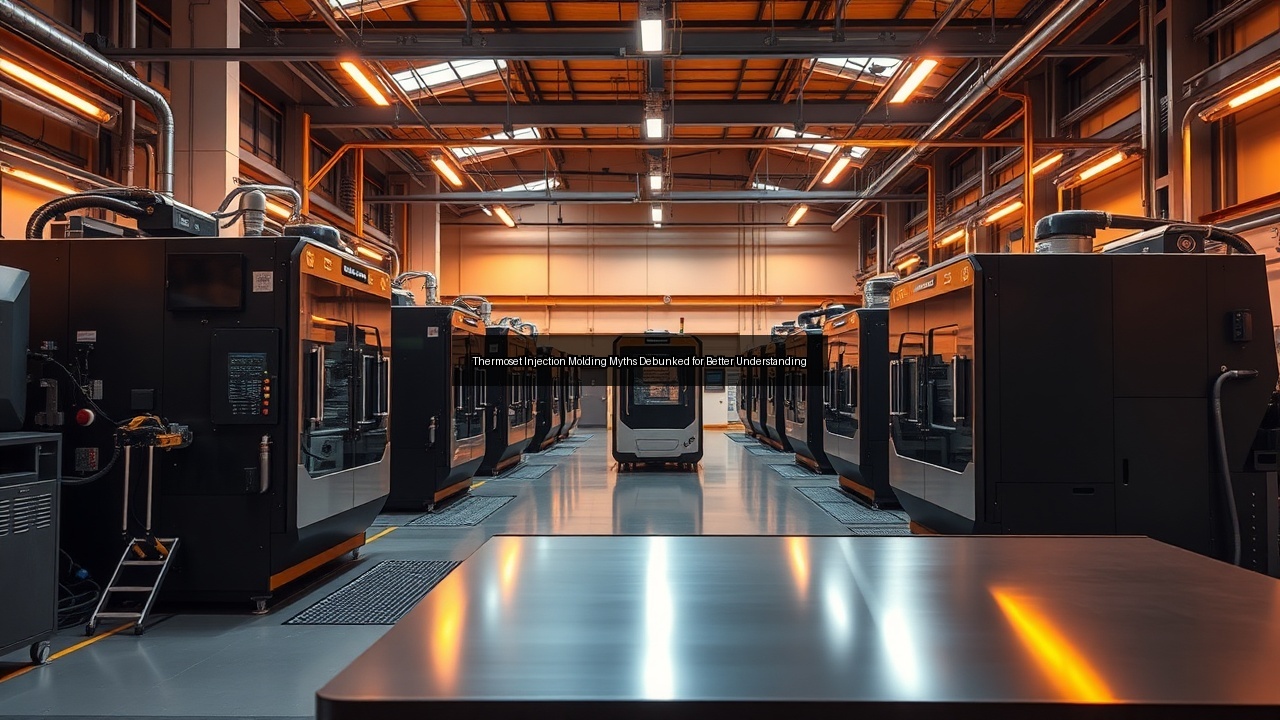
Understanding Thermoset Injection Molding
What Are Thermosets and Their Applications?
Thermosets are a class of polymers that undergo a chemical change when heated, resulting in a rigid and infusible material. Unlike thermoplastics, which can be melted and reshaped multiple times, thermosets retain their shape even under extreme conditions. This unique property makes thermoset materials ideal for various applications, including automotive parts, electrical components, and household goods. Industries rely on thermoset injection molding for creating durable components that withstand high temperatures and chemical exposure. Manufacturers use thermoset polymers in applications ranging from adhesives and coatings to composite materials, enhancing performance across diverse sectors.
The Difference Between Thermoset and Thermoplastic Materials
Understanding the distinction between thermosets and thermoplastics plays a crucial role in choosing the right materials for specific applications. Thermoplastics can be heated and reshaped, allowing for recycling and reusability. In contrast, thermosets cannot be remolded once set, making them more suitable for applications requiring structural integrity and resistance to deformation. The injection molding process for thermosets involves a chemical reaction that solidifies the material upon cooling, while thermoplastic injection molding relies on melting the material. This fundamental difference significantly impacts the performance, durability, and environmental footprint of the final product.
Key Characteristics of Thermoset Injection Molding
Thermoset injection molding boasts several key characteristics that enhance its applicability in manufacturing. First, thermosets exhibit superior thermal stability, allowing components to withstand high temperatures without deforming. Second, they offer excellent chemical resistance, making them suitable for environments where exposure to solvents or aggressive chemicals occurs. Additionally, thermosets provide minimal shrinkage during the curing process, ensuring precision in dimensions. The ability to create complex geometries through thermoset injection molding expands design possibilities for engineers and designers, enabling the production of intricate components that meet demanding specifications.
Common Myths About Thermoset Injection Molding
Myth 1: Thermosets Are Too Brittle for Practical Use
A prevalent misconception about thermosets is their perceived brittleness, which can deter manufacturers from utilizing them in critical applications. In reality, thermoset materials have a range of mechanical properties that can be tailored to specific needs. Many thermosets can withstand impact and stress, making them suitable for heavy-duty applications. With advancements in polymer technology, manufacturers can modify thermoset compositions to enhance flexibility and toughness. This versatility allows for the creation of thermoset components that meet stringent performance requirements without sacrificing durability, debunking the myth of inherent fragility.
Myth 2: Thermoset Injection Molding is Not Environmentally Friendly
Another common myth suggests that thermoset injection molding contributes significantly to environmental degradation. While it’s true that thermosets are not recyclable like thermoplastics, advancements in sustainable practices and materials are changing this narrative. Manufacturers now focus on developing bio-based thermoset polymers and optimizing the production process to minimize waste. Furthermore, thermoset components often exhibit longer lifespans and superior performance, reducing the need for frequent replacements. By making informed choices about thermoset materials and processes, companies can engage in environmentally responsible practices while benefiting from the advantages of thermoset injection molding.
Myth 3: Thermoset Molding is More Expensive Than Thermoplastic Molding
The belief that thermoset molding is inherently more expensive than thermoplastic molding is misleading. While initial setup costs for thermoset injection molding may be higher due to specialized equipment and molds, the long-term benefits often outweigh these costs. Thermoset components often require less maintenance and demonstrate greater durability, leading to lower overall lifecycle costs. Additionally, the ability to produce complex shapes with minimal waste during the injection process can enhance cost efficiency. When evaluating the financial implications of thermoset versus thermoplastic molding, considering the total cost of ownership provides a clearer picture of value.
The Advantages of Thermoset Injection Molding
Durability and Heat Resistance
Thermoset injection molding delivers unmatched durability and heat resistance, making it a preferred choice for many industries. The cross-linked structure of thermoset polymers grants them the ability to withstand extreme temperatures without losing structural integrity. This characteristic is especially valuable in sectors such as automotive and aerospace, where components face harsh operating conditions. Additionally, thermosets exhibit excellent chemical resistance, enabling them to perform reliably in environments exposed to solvents, oils, and other aggressive substances. This combination of properties ensures that thermoset components maintain their functionality over time, minimizing the need for replacements and repairs.
Versatility in Design and Applications
Thermoset injection molding offers remarkable versatility in design, allowing engineers and designers to create intricate shapes and components tailored to specific applications. The molding process accommodates various designs, from simple shapes to complex geometries, enhancing the functionality of products. Applications range from consumer goods to industrial machinery, showcasing the adaptability of thermoset materials. Additionally, the ability to incorporate additives and fillers enhances properties like strength, flexibility, and thermal stability. This versatility makes thermosets an essential material in innovative design solutions, catering to the evolving demands of various industries.
Cost-Effectiveness in Production
Thermoset injection molding presents significant cost-effectiveness in production, particularly for high-volume runs. While the initial investment in equipment may be higher, the efficiency of the injection molding process allows for rapid production cycles. Once a mold is developed, it can produce thousands of identical parts with minimal waste. This efficiency translates to lower per-unit costs, making thermoset components economically viable for mass production. Furthermore, the durability and longevity of thermoset products contribute to reduced replacement rates, leading to long-term savings for manufacturers and end-users alike.
Best Practices for Thermoset Injection Molding
Choosing the Right Thermoset Material
Selecting the appropriate thermoset material is critical for achieving desired performance characteristics in injection molding. Factors such as temperature resistance, chemical exposure, and mechanical properties must be carefully considered. Various thermoset options exist, including epoxy, phenolic, and polyurethane resins, each offering unique benefits. Manufacturers should evaluate the specific requirements of their applications and collaborate with material suppliers to identify the best thermoset solutions. Conducting thorough material testing and analysis ensures that the selected thermoset meets the performance and durability standards necessary for the intended use.
Optimizing the Molding Process
Optimizing the molding process is essential to achieve high-quality thermoset components. Factors such as mold design, temperature control, and injection speed significantly impact the final product's quality. Proper mold design minimizes defects and ensures even material distribution. Temperature control during the curing process is vital for achieving the desired properties of the thermoset material. Additionally, adjusting the injection speed allows for better filling of complex mold geometries, reducing the risk of air pockets and voids. Continuous monitoring and refinement of the molding process contribute to consistent quality and performance of thermoset products.
Quality Control and Compliance with ISO 13485
Implementing rigorous quality control measures is crucial in thermoset injection molding, particularly for industries requiring stringent compliance, such as medical and automotive sectors. Adhering to standards like ISO 13485 ensures that manufacturing processes meet quality management system requirements. Regular inspections and testing of thermoset components during production help identify defects early, reducing waste and ensuring product reliability. Companies should invest in training for employees on quality assurance practices and incorporate advanced technologies, such as CNC machines and automated inspection systems, to enhance accuracy and compliance. Prioritizing quality control establishes trust with clients and maintains a competitive edge in the market.
See Also
- The Impact of ISO 13485 Standards on Thermoset Injection Molding Quality
- Understanding the Differences Between Compression Molding and Thermoset Injection Molding
- Thermoset Injection Molding vs Thermoplastic Injection Molding Which is Right for You
- The Evolution of Thermoset Injection Molding Technology Over the Years
- The Science Behind Thermoset Injection Molding and Its Benefits